
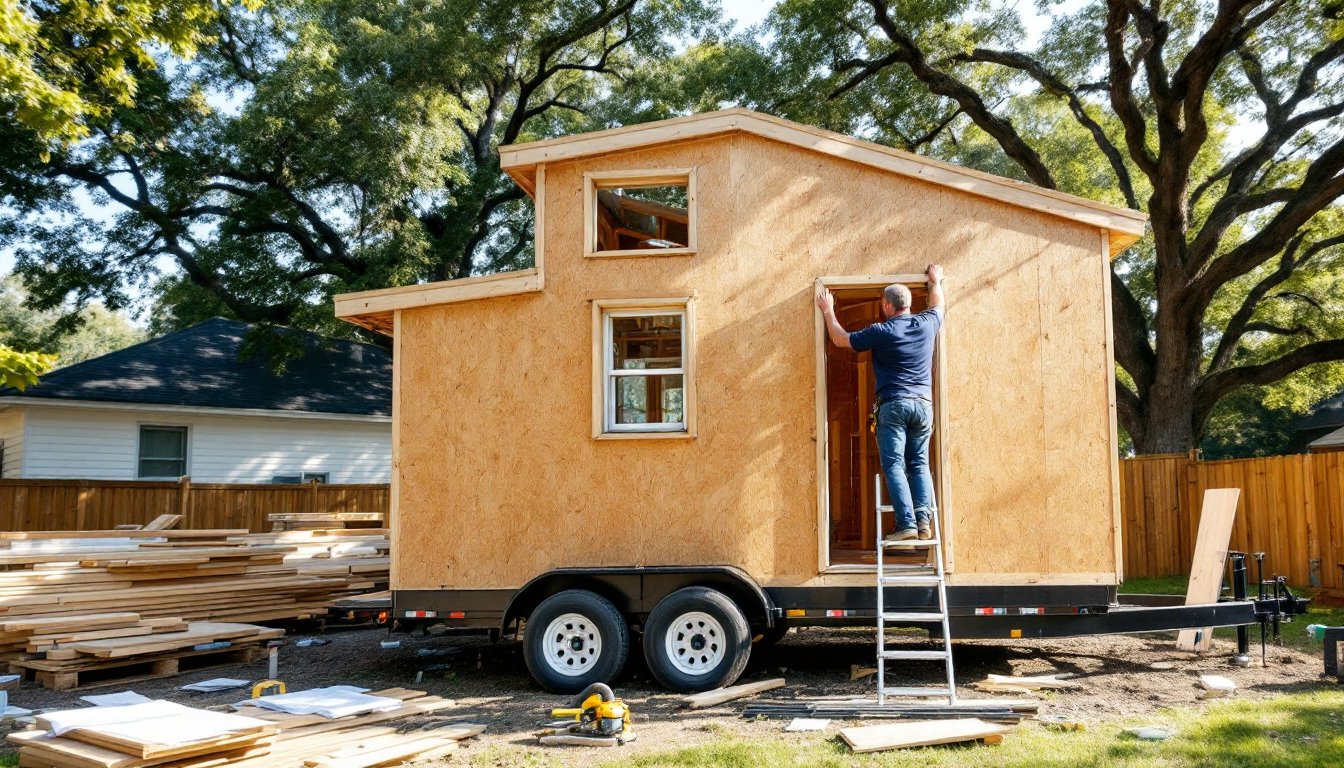
Tiny houses promise financial freedom and simplified living, but the actual price tag surprises most first-timers. A bare-bones DIY build might run $20,000, while a turnkey custom unit can exceed $150,000, and that’s before land, permits, or utilities. The gap between dream and budget comes down to choices: trailer vs. foundation, prefab shell vs. stick-built, sweat equity vs. hired labor. This guide breaks down real costs, exposes hidden expenses, and helps anyone determine whether downsizing makes financial sense for their situation.
Table of Contents
ToggleKey Takeaways
- Tiny house costs range from $30,000 to $70,000 for a completed trailer-based build, while custom high-end units can exceed $150,000, depending on materials, labor, and finish level.
- Foundation type, size, and labor split are the biggest price drivers—trailer-mounted foundations cost $4,000–$7,000, while permanent foundations add $3,000–$10,000 depending on site conditions.
- Hidden costs like land leasing ($200–$800/month), utilities, specialized insurance ($600–$1,200 annually), and permits ($500–$2,000) can significantly impact the true financial impact of tiny house ownership.
- DIY builders can save 40–60% on labor but require 800–1,200 hours of work over 6–18 months; hiring licensed trades for electrical and plumbing ensures code compliance and faster timelines.
- Tiny house financing typically uses personal loans (6–12% rates), RV loans (4–8%), or credit unions rather than traditional mortgages, since most trailer-based units don’t qualify as real estate.
- Always obtain proper permits for electrical, plumbing, and structural work to avoid resale complications, insurance denials, and potential fines—check local zoning codes early since regulations vary widely.
How Much Does a Tiny House Cost?
Most tiny houses fall between $30,000 and $70,000 for a completed build on a trailer, assuming a mix of DIY labor and professional help for specialized trades. Fully custom builds with high-end finishes and off-grid systems push toward $100,000–$150,000. Ultra-budget DIYers using reclaimed materials and doing all work themselves occasionally come in under $20,000, but that requires significant construction skills and time.
Key price factors:
- Size: Typical tiny houses range from 100–400 square feet. Larger builds require more materials, heavier trailers, and sometimes tow permits.
- Foundation type: Trailer-mounted units cost $4,000–$7,000 for the trailer alone. Permanent foundations (pier-and-beam, slab) add $3,000–$10,000 depending on site conditions and local codes.
- Finish level: Builder-grade materials and basic fixtures keep costs low. Hardwood floors, stone countertops, and custom cabinetry double material budgets quickly.
- Labor split: Full DIY saves 40–60% compared to hiring a general contractor, but requires 500–1,000+ hours of work and a steep learning curve.
As a baseline, budget $150–$250 per square foot for a quality owner-built tiny house, or $250–$400 per square foot for a professionally built custom unit. That’s comparable to conventional home construction in many markets, but the smaller footprint keeps total costs manageable.
Breaking Down Tiny House Building Costs
Understanding where money goes helps prioritize spending and identify savings opportunities. Material and labor costs vary by region, but the proportions stay consistent.
Foundation and Site Preparation
Trailer-mounted builds need a heavy-duty flatbed trailer rated for the finished weight. Expect $4,500–$7,000 for a new dual-axle trailer with brakes and proper tongue weight rating. Used trailers save money but require careful inspection for frame rust, axle alignment, and deck condition.
Permanent foundations vary widely:
- Concrete slab: $3–$6 per square foot for a 4-inch slab with gravel base and vapor barrier. A 200-square-foot pad runs $600–$1,200 in materials, plus grading and compaction.
- Pier-and-beam: $2,500–$5,000 for a basic grid of concrete piers and pressure-treated beams. Works well on sloped or unstable soils.
- Skids: Pressure-treated 6×6 timbers set on gravel. Budget $500–$1,200 for materials. Simple but not suitable for long-term placement in wet climates.
Site prep adds $1,000–$5,000 depending on grading needs, utility trenching, and driveway access. Rocky soil, tree removal, or drainage issues push costs higher. Check local codes, many jurisdictions require engineered foundation plans and inspections even for structures under 400 square feet.
Materials and Labor
Framing and shell account for 30–40% of total material costs:
- Dimensional lumber (2×4 studs, 2×6 floor joists, rafters): $2,500–$5,000 for a 200-square-foot build
- Sheathing (7/16-inch OSB or plywood): $800–$1,500
- Exterior siding (board-and-batten, cedar, metal panels): $1,500–$4,000
- Roofing (metal or architectural shingles): $800–$2,000
- Windows and exterior doors: $1,200–$3,500 (quality matters, cheap windows leak and fail quickly)
Insulation and climate control:
- Spray foam insulation (closed-cell, R-6 per inch): $1,500–$3,000 for walls and roof. Expensive but maximizes R-value in thin wall assemblies.
- Batt insulation (fiberglass or mineral wool): $400–$800. Cheaper but requires careful vapor barrier installation to prevent condensation.
- Mini-split heat pump: $1,200–$2,500 installed. Efficient heating and cooling in one unit.
Interior finishes:
- Drywall or tongue-and-groove paneling: $800–$2,000
- Flooring (vinyl plank, laminate, or reclaimed wood): $600–$2,500
- Kitchen cabinets and countertops: $1,500–$5,000 (IKEA cabinets with butcher block counters work well: custom builds cost more)
- Bathroom fixtures and shower pan: $800–$2,500
Electrical and plumbing should be handled by licensed trades unless the builder holds proper certifications. Most jurisdictions require permits and inspections for both. Budget $2,500–$5,000 for basic electrical (panel, wiring, outlets, lighting) and $1,500–$4,000 for plumbing (PEX supply lines, drain/waste/vent system, on-demand water heater).
Labor costs for hired trades run $40–$80 per hour depending on region and specialty. A general contractor managing the full build typically charges 15–25% of material costs as a project management fee, plus markup on subcontractor labor.
Buying a Prefab vs. Building a Custom Tiny House
Prefab shells from manufacturers like Tumbleweed or Rocky Mountain Tiny Houses start around $50,000–$80,000 for a completed unit ready to tow. These include framing, exterior finish, windows, insulation, and often rough-in plumbing and electrical. Buyers finish interiors themselves or pay for turnkey completion (add $15,000–$40,000).
Advantages:
- Faster timeline (4–8 weeks vs. 6–12 months for DIY)
- Engineered designs tested for road towing
- Warranty coverage on structure and major components
Drawbacks:
- Limited customization
- Higher per-square-foot cost than DIY
- Shipping costs ($2–$5 per mile for professional transport)
Custom builds offer complete control over layout, materials, and finishes. Builders choose every stud, fixture, and finish detail. Total costs depend on skill level and willingness to tackle specialized tasks like roofing or electrical work.
DIY builders should budget 800–1,200 hours spread over 6–18 months. That’s evenings and weekends for a year or more. Hiring out specialized trades (foundation, electrical, plumbing) keeps the project moving and ensures code compliance without requiring mastery of every skill.
For context, many builders compare tiny house costs on HomeAdvisor to get regional estimates before committing to a design. It’s worth cross-checking multiple sources since material prices fluctuate with lumber markets and supply chain issues.
Hidden Costs of Tiny House Ownership
Upfront construction is only part of the financial picture. These often-overlooked expenses add up fast.
Land or parking: Owning land means property taxes, utilities, and maintenance. Leasing a parking spot on someone’s property runs $200–$800/month depending on location and included utilities. RV parks charge $400–$1,200/month but enforce occupancy rules that may not allow permanent tiny house residence. Zoning laws vary wildly, many municipalities prohibit permanent dwelling in structures under 400 square feet or require minimum square footage for residential buildings. Research local codes before investing.
Utilities and off-grid systems:
- Grid hookup: Electric, water, and sewer connections cost $2,000–$10,000+ depending on distance from existing infrastructure.
- Septic or composting toilet: Standard septic systems run $3,000–$8,000. Composting toilets (Nature’s Head, Sun-Mar) cost $1,000–$2,500 and eliminate the need for blackwater plumbing.
- Solar power: A basic 1,200-watt system with battery storage runs $6,000–$12,000 installed. Enough for lights, phone charging, and a laptop, but not air conditioning or electric heat. Off-grid living requires lifestyle adjustments and energy discipline.
Insurance: Standard homeowner’s policies often exclude tiny houses on trailers. Specialized tiny house insurance costs $600–$1,200 annually for $50,000–$75,000 coverage. Some insurers classify them as RVs, which affects replacement value and liability terms.
Transportation and towing: Moving a tiny house requires a 3/4-ton or 1-ton truck with proper towing capacity (most weigh 8,000–15,000 pounds loaded). Truck rental runs $100–$200/day, or hire professional transport at $2–$5 per mile. Permit fees for oversized loads vary by state.
Maintenance: Metal roofs, quality siding, and proper flashing reduce upkeep, but budget $500–$1,500 annually for caulking, paint touch-ups, and minor repairs. Trailer tires and bearings need service every few years ($400–$800).
Many small-space living enthusiasts on Apartment Therapy document ongoing costs in their tiny house blogs, offering real-world budgets that include these hidden expenses.
Financing Options for Your Tiny House
Traditional mortgages don’t apply to tiny houses on trailers since lenders classify them as personal property, not real estate. Permanent foundation tiny houses may qualify if they meet minimum square footage and local building codes.
Personal loans offer $10,000–$100,000 at interest rates of 6–12% depending on credit score. Terms run 3–7 years. Monthly payments on a $50,000 loan at 8% over 5 years run about $1,013. No collateral required, but rates are higher than secured loans.
RV loans treat tiny houses like travel trailers. Rates range 4–8% with terms up to 15 years for amounts over $25,000. Requires the unit to meet RV certification standards (most custom builds don’t qualify unless professionally certified).
Credit unions and specialty lenders like LightStream or Koala Financial offer dedicated tiny house loans with competitive rates for qualified borrowers. Shop multiple lenders since terms vary significantly.
Cash or savings remains the most common approach. Building incrementally as funds allow keeps debt off the table but extends timelines. Some builders finance materials on 0% APR credit cards during promotional periods, paying off balances before interest kicks in. Risky if unexpected costs arise or income changes.
Home equity loans or HELOCs work for borrowers with existing home equity who plan to build a tiny house as a guest cottage or rental unit. Rates typically run 6–9% and interest may be tax-deductible if the tiny house qualifies as a second home under IRS rules.
For cost planning and contractor vetting, resources like ImproveNet’s renovation guides help establish realistic budgets before approaching lenders. Solid estimates improve loan approval odds and prevent mid-project funding gaps.
Safety and Permits
Don’t skip permits to save money. Unpermitted builds create resale headaches, insurance denials, and potential fines. Most jurisdictions require permits for electrical, plumbing, and structural work. Fees run $500–$2,000 depending on scope and local requirements. Budget time for plan review and inspections, 4–8 weeks is typical for residential permits.
Tiny houses on trailers often fall into a regulatory gray area. Some areas classify them as RVs (not permitted for permanent residence), others as accessory dwelling units (ADUs) with specific zoning rules. Contact the local building department early in the planning process to clarify requirements and avoid costly mistakes.