
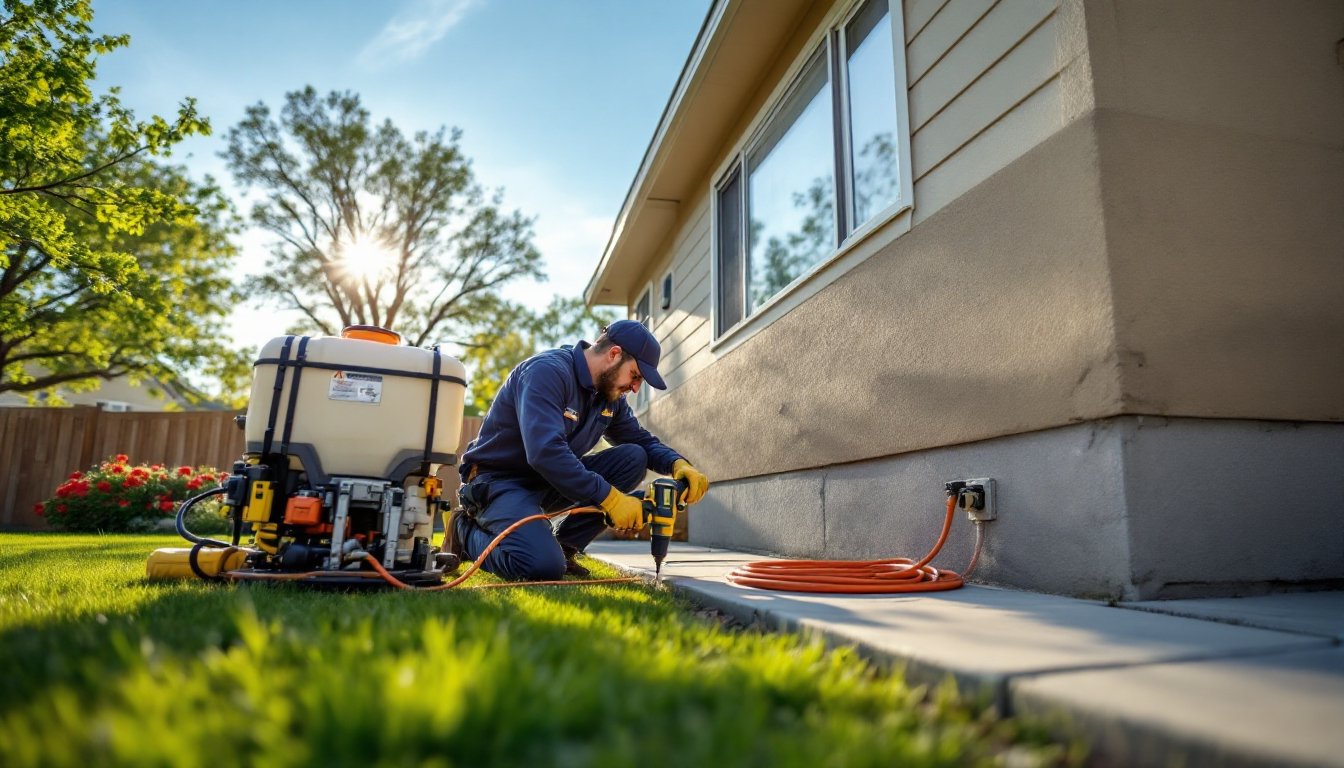
Finding termites in your home is never good news. These wood-destroying insects cause billions in property damage every year, and treatment isn’t cheap, or optional. But the price tag varies widely depending on the method used, the size of your home, and the extent of the infestation. This guide breaks down what homeowners can realistically expect to pay for termite treatment in 2026, covering everything from chemical barriers to bait systems, plus practical ways to keep costs under control without compromising effectiveness.
Table of Contents
ToggleKey Takeaways
- Costs of termite treatment range from $1,200 to $2,500 for liquid treatments and $800 to $3,000 for bait systems, with ongoing annual maintenance fees of $300 to $500 for the latter.
- Liquid termiticides create protective barriers lasting 5 to 10 years and provide immediate knockdown for active infestations, while bait systems require monitoring but work well for slab foundations with minimal disruption.
- Home size, foundation type, infestation severity, and geographic location significantly impact costs of termite treatment, with crawl spaces and basements adding $500 to $1,000 and high-demand regions running 10–20% above national averages.
- Professional termite treatment is worth the investment over DIY approaches because experts use commercial-grade materials, identify entry points and moisture issues, and provide warranties that protect against incomplete treatment.
- Early detection through annual inspections costing $75 to $150 can save thousands in repair costs, and fixing moisture problems like leaking gutters reduces re-infestation risk without professional fees.
- Bundle termite treatment with other pest control services to save 10–15%, schedule in fall or winter for better pricing, and maintain renewable warranties since annual renewal costs far less than full retreatment.
Average Cost of Termite Treatment by Method
Termite treatment isn’t one-size-fits-all. The two primary approaches, liquid treatments and bait systems, differ in how they work, how long they last, and what they cost. Both methods are effective when applied correctly, but your choice will depend on your home’s construction, soil conditions, and whether you’re dealing with an active infestation or preventive maintenance.
Liquid Termite Treatments
Liquid termiticides create a chemical barrier in the soil around and beneath your home’s foundation. Professionals drill through slabs or dig trenches around the perimeter, then inject or pour a termiticide solution that kills termites on contact or through ingestion.
Expect to pay $1,200 to $2,500 for a typical 2,000-square-foot home, though prices can climb to $3,500 or more for larger properties or severe infestations. Treatment usually includes drilling through concrete slabs at 12- to 18-inch intervals and injecting 4 gallons of diluted termiticide per 10 linear feet.
Most liquid treatments use non-repellent termiticides (like fipronil or imidacloprid), which termites can’t detect. They pass through the treated zone, pick up the chemical, and carry it back to the colony. These treatments typically last 5 to 10 years and come with warranties that vary by provider.
The upfront cost is higher than baiting, but the immediate knockdown and long-term barrier make liquid treatments the go-to for active infestations, especially subterranean termites.
Termite Bait Systems
Bait systems use in-ground stations placed around your home’s perimeter, typically every 10 to 20 feet. Each station contains cellulose material that attracts termites. Once activity is detected, the bait is replaced with a slow-acting toxicant that workers carry back to the colony.
Initial installation runs $800 to $3,000, with an average around $1,500 for most homes. But here’s the catch: bait systems require ongoing monitoring and maintenance. Annual service contracts typically cost $300 to $500, which includes quarterly or semi-annual inspections and bait replacement as needed.
Baiting works well for homes built on slabs where drilling isn’t ideal, or as a preventive measure in areas with high termite pressure. The main advantage is minimal disruption, no drilling through your foundation or trenching around landscaping. The downside? It takes longer to eliminate an active colony, sometimes several months, because termites must find the stations and consume enough bait to impact the population.
Some companies offer hybrid systems that combine liquid treatment for immediate control with bait stations for long-term monitoring, though expect to pay premium pricing for that approach.
Factors That Impact Termite Treatment Pricing
Several variables affect what you’ll actually pay, and understanding them helps you evaluate quotes and avoid sticker shock.
Home size and foundation type are the biggest drivers. A 1,200-square-foot slab home costs less to treat than a 3,000-square-foot house with a crawl space and basement. Crawl spaces require additional labor to access and treat soil beneath floor joists, often adding $500 to $1,000 to the bill.
Infestation severity matters. Light activity caught early during a routine inspection is cheaper to address than widespread structural damage requiring fumigation. Drywood termites, common in coastal regions, often require tent fumigation (whole-house treatment), which runs $1,200 to $2,500 for an average home, or about $1 to $4 per square foot of living space.
Geographic location plays a role. Termite pressure is higher in the South and Southwest, where year-round warm weather keeps colonies active. Pricing in high-demand markets like Florida, Texas, and California tends to run 10% to 20% above national averages. Labor costs and local regulations (some areas require licensed applicators for certain chemicals) also vary by state.
Accessibility and landscaping can add costs. If your home has mature shrubs, hardscaping, or decks built against the foundation, contractors may charge extra to move or work around obstacles. Drilling through tile, finished concrete, or interior slabs (like garages) also increases labor time.
Finally, warranty coverage affects pricing. Many companies include a one-year warranty with initial treatment, with optional renewals for $200 to $400 annually. Lifetime warranties (which transfer to new owners) cost more upfront but add peace of mind and resale value.
DIY vs. Professional Termite Treatment: Cost Comparison
DIY termite treatment is technically possible, but it’s not a weekend project like painting a room. Here’s the honest breakdown.
DIY liquid treatments using products like Taurus SC or Termidor SC (available through online retailers) cost $50 to $150 for concentrate that treats 150 to 200 linear feet. You’ll also need a pump sprayer or drill rig for slab injection, plus protective equipment. Total outlay: $200 to $400 for materials and basic equipment.
The problem? Application matters as much as the chemical. Miss a gap in your barrier, and termites will find it. Most states require licensed applicators for restricted-use termiticides, and improper use voids your homeowner’s insurance if damage occurs. You also won’t get a warranty, if the treatment fails, you’re starting from scratch.
DIY bait systems (like Spectracide or Advance stations) run $100 to $200 for a perimeter setup. Installation is straightforward: dig holes, insert stations, and check them every few months. But monitoring takes diligence, and knowing when to swap bait for active toxicant requires experience.
Professional treatment costs more, but you’re paying for expertise, commercial-grade materials, proper equipment, and a warranty. Most pest control companies use higher-concentration formulations not available to consumers, and they know how to identify entry points, moisture issues, and conducive conditions DIYers often overlook.
For minor spot treatments, say, a small colony in a detached shed or fence post, DIY might work. For your home’s foundation? Hire a pro. The risk of incomplete treatment and ongoing damage far outweighs the savings.
How to Save Money on Termite Treatment
Termite treatment isn’t cheap, but you can control costs without cutting corners.
Get multiple quotes. Prices can vary by $500 to $1,000 or more for the same job. Request at least three estimates from licensed pest control companies, and make sure each includes a written inspection report, treatment plan, and warranty details. Watch for low-ball quotes that exclude critical steps like drilling or follow-up inspections.
Catch it early. Annual termite inspections cost $75 to $150 (many companies offer them free if you’re a current customer), and early detection means smaller treatment areas and lower costs. According to data from national cost estimators, catching an infestation before structural damage occurs can save thousands in repair bills.
Fix moisture problems first. Termites need water. Repair leaking gutters, improve drainage around your foundation, and fix plumbing leaks. These are DIY-friendly tasks that make your home less attractive to termites and reduce the likelihood of re-infestation.
Bundle services. Some pest control companies offer discounts if you combine termite treatment with general pest control or annual maintenance plans. You might save 10% to 15% by bundling.
Consider timing. Demand for termite services spikes in spring when swarmers emerge. Scheduling treatment in fall or winter, when termite activity slows, may give you leverage to negotiate pricing or faster service.
Finally, maintain your warranty. If your treatment includes a renewable warranty, pay the annual fee. It’s far cheaper than a second full treatment, and most warranties cover retreatment at no extra charge if termites return. Resources like HomeAdvisor and ImproveNet can help you compare local contractors and understand typical project costs in your area.
Conclusion
Termite treatment is an investment in your home’s structural integrity, not a place to cut corners. Whether you choose liquid treatment for immediate control or a bait system for long-term monitoring, the key is hiring a licensed professional, understanding what you’re paying for, and staying proactive with inspections and moisture control. Prices will vary, but knowing the factors that drive costs puts you in a stronger position to make an well-informed choice and protect your biggest asset.