
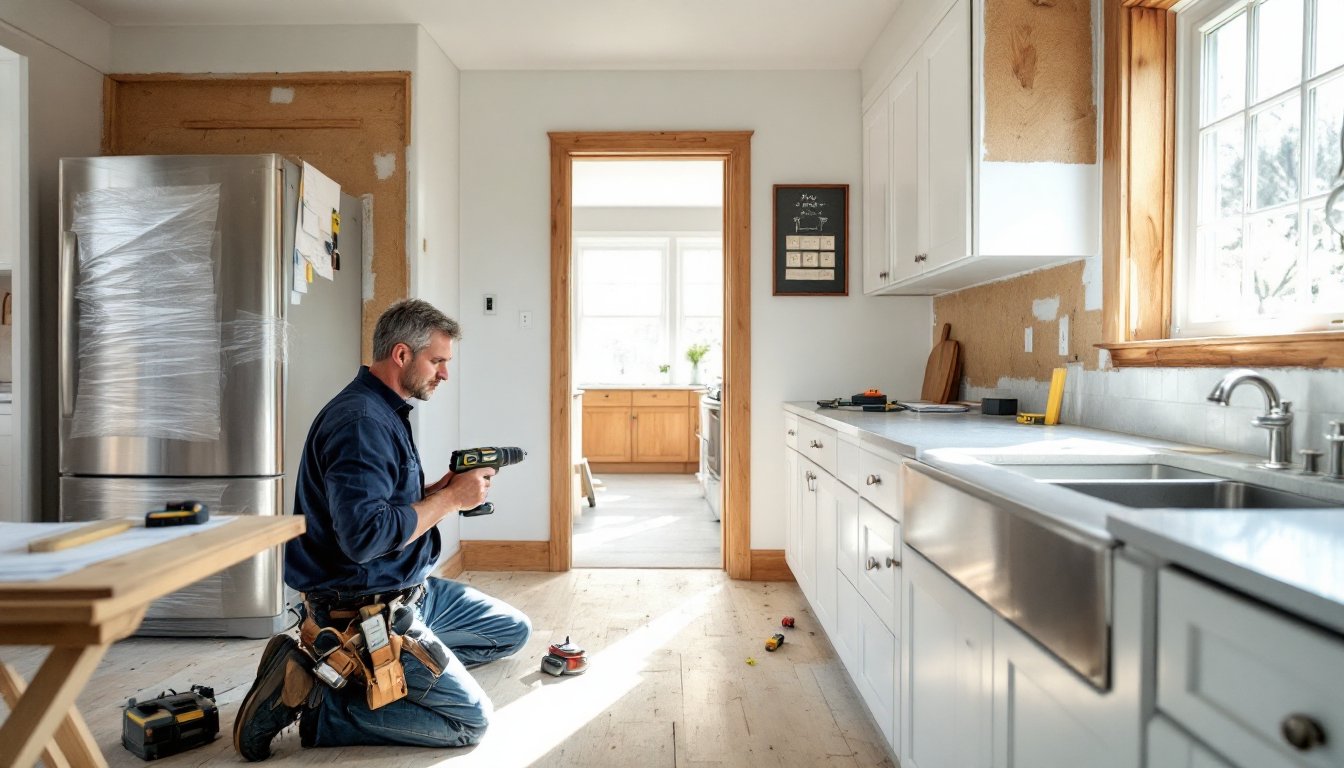
Dayton homeowners are upgrading their properties at a record pace, driven by rising home values and a competitive real estate market. Whether someone’s planning a kitchen overhaul or a bathroom refresh, understanding the local remodeling landscape saves time, money, and headaches. This guide walks through the most popular projects in Dayton, budgeting strategies, permit requirements, and when to DIY versus hiring pros. No fluff, just practical advice for getting remodeling projects done right the first time.
Table of Contents
ToggleKey Takeaways
- Dayton home remodeling projects, especially kitchens and bathrooms, deliver strong return on investment and can significantly boost home values in today’s competitive market.
- Kitchen renovations range from $8,000–$18,000 for cosmetic updates to $25,000–$60,000 for full overhauls, while bathroom remodels typically cost $5,000–$25,000 depending on scope.
- Always pull permits for structural, electrical, plumbing, and HVAC work in Dayton—skipping permits creates costly problems during home sales when inspectors flag unpermitted work.
- A 15–20% contingency fund is essential for Dayton remodeling projects, as older homes often hide surprises like outdated wiring, plumbing issues, or asbestos-containing materials.
- Hire licensed professionals for electrical, plumbing, gas line, structural, and HVAC work; DIY painting, flooring installation, fixture replacement, and tile backsplashes to balance quality and budget.
- Energy efficiency upgrades like insulation, window replacement, and HVAC system updates deliver long-term utility savings and year-round comfort improvements suited to Ohio’s hot, humid summers and cold winters.
Why Dayton Homeowners Are Investing in Remodeling Projects
Dayton’s housing market has seen steady appreciation over the past few years, making home improvements a smart financial move. Homeowners who remodel before selling often see better offers and faster closings, especially when focusing on kitchens and bathrooms.
But it’s not just about resale value. Many long-term residents are choosing to age in place, which means updating homes for accessibility and modern living standards. Wider doorways, walk-in showers, and main-floor laundry conversions are increasingly common requests.
Energy efficiency also plays a role. Older Dayton homes, particularly those built before the 1980s, often have outdated insulation, single-pane windows, and inefficient HVAC systems. Upgrading these elements cuts utility bills and improves comfort year-round. Ohio’s climate means homeowners deal with hot, humid summers and cold winters, so proper insulation and air sealing make a noticeable difference.
Finally, Dayton’s revitalized neighborhoods like the Oregon District and St. Anne’s Hill have sparked renewed interest in historic home renovation. Homeowners are preserving original details like hardwood floors and crown molding while updating kitchens and electrical systems to modern standards.
Most Popular Home Remodeling Projects in Dayton
Kitchen Renovations That Add Value
Kitchen remodels consistently deliver the highest return on investment in Dayton. Most projects fall into two categories: cosmetic updates and full-scale renovations.
Cosmetic updates include cabinet refacing or painting, new hardware, updated light fixtures, and quartz or granite countertops. These projects typically run $8,000–$18,000 depending on kitchen size and material choices. A fresh coat of Benjamin Moore Advance or Sherwin-Williams ProClassic in a neutral color transforms dated oak cabinets for a fraction of replacement cost.
Full renovations involve layout changes, new cabinetry, appliances, flooring, and sometimes moving plumbing or gas lines. Budget $25,000–$60,000 for a complete kitchen overhaul in a typical Dayton home. When working with contractor matching services, homeowners should request itemized bids that separate labor from materials.
Key considerations:
- Standard base cabinet depth is 24 inches: wall cabinets are typically 12 inches deep.
- Electrical circuits for kitchens require 20-amp circuits for countertop outlets per NEC code.
- If removing a wall, hire a structural engineer to verify it’s not load-bearing before demolition.
- Appliance delivery timelines can stretch 8–12 weeks for custom panel-ready models.
Bathroom Updates for Modern Living
Bathroom remodels rank second in popularity. Most Dayton homeowners focus on master bath upgrades or converting a tub-only bathroom to a tub-shower combo for resale appeal.
A basic refresh, new vanity, toilet, light fixtures, and tile surround, costs $5,000–$12,000. Upgrading to a walk-in tile shower with frameless glass doors and a floating vanity pushes the budget to $15,000–$25,000.
For those tackling the work themselves, cement backer board (like HardieBacker or Durock) is non-negotiable behind any tile installation. Use modified thinset for the backer board and unmodified thinset over waterproofing membranes like RedGard.
Common mistakes to avoid:
- Skipping the waterproofing membrane in wet areas leads to mold and structural damage.
- Using drywall-rated screws instead of corrosion-resistant screws in cement board.
- Not checking if the existing floor joists can support tile weight, tile and mortar add roughly 8–10 pounds per square foot.
- Installing exhaust fans without venting to the exterior: code requires venting outside, not into the attic.
Planning Your Dayton Remodeling Budget
Realistic budgeting separates successful projects from abandoned half-finished rooms. Start by identifying must-haves versus nice-to-haves. A contingency fund of 15–20% is essential, older Dayton homes often hide surprises like outdated wiring, plumbing issues, or asbestos-containing materials.
Material costs fluctuate, but here are current ballpark figures for common items:
- Hardwood flooring: $6–$12 per square foot installed (red oak or maple)
- Luxury vinyl plank (LVP): $3–$7 per square foot installed
- Quartz countertops: $60–$100 per square foot fabricated and installed
- Interior paint: One gallon of quality paint covers roughly 350–400 square feet and costs $30–$60
Labor typically represents 40–60% of total project cost in the Dayton area. For specialized trades like plumbing or electrical, expect $75–$125 per hour depending on complexity.
Homeowners researching renovation cost guides should request at least three detailed quotes and verify contractors carry general liability insurance and workers’ compensation coverage. Ask for references from projects completed in the past 12 months.
Financing options include home equity lines of credit (HELOCs), cash-out refinancing, or personal loans. HELOCs often offer the lowest interest rates but use the home as collateral. Some Dayton credit unions offer renovation-specific loan products with competitive terms.
Navigating Permits and Regulations in Dayton
The City of Dayton requires permits for most structural, electrical, plumbing, and HVAC work. Cosmetic projects like painting, flooring replacement, or cabinet refacing typically don’t need permits.
Permit-required projects include:
- Adding or removing walls (especially load-bearing)
- Relocating or adding plumbing fixtures
- Electrical work beyond replacing existing fixtures
- HVAC system replacement or ductwork modifications
- Structural changes like adding windows or doors
- Deck construction or replacement
Permit costs vary by project scope but typically range from $50 for minor electrical work to $500+ for whole-house renovations. Processing takes 2–10 business days depending on complexity.
Dayton follows the International Residential Code (IRC) and National Electrical Code (NEC) with some local amendments. For example, GFCI protection is required for all kitchen countertop outlets, bathroom outlets, and outdoor receptacles. AFCI breakers are mandatory for most living spaces in homes built after 2008.
Skipping permits creates problems during home sales, inspectors flag unpermitted work, and buyers’ lenders may require permits to be retroactively pulled and inspections completed before closing. That $150 permit starts looking cheap compared to paying for emergency permit processing and re-inspection fees.
Working with inspectors:
- Schedule inspections at logical stopping points, rough-in before closing walls, final after completion.
- Keep the work area clean and accessible: inspectors won’t climb over debris.
- If work fails inspection, address issues promptly and reschedule.
For historic properties in designated districts, additional approval from the Dayton Historic Preservation Office may be required for exterior changes.
DIY vs. Hiring Professional Remodelers: What Works Best
The DIY versus pro decision comes down to skill level, time availability, and project complexity. Some work is perfectly suited for motivated homeowners: other jobs require licensed professionals.
Good DIY candidates:
- Painting: Prep work matters more than skill. Clean surfaces, proper primer, and quality brushes deliver professional results.
- Flooring installation: LVP and laminate are beginner-friendly. Hardwood installation requires more experience but is manageable with research and the right tools.
- Cabinet hardware and fixture replacement: Swapping knobs, pulls, light fixtures, and faucets updates spaces without structural changes.
- Tile backsplashes: Small-format tiles with minimal cuts make good starter tile projects.
Hire professionals for:
- Electrical work: Unless someone holds a journeyman electrician license, hire out. Ohio law requires licensed electricians for most electrical installations.
- Plumbing relocations: Moving drains requires understanding slope, venting, and local code. A licensed plumber ensures it’s done right.
- Gas line work: Never DIY gas lines. Mistakes cause leaks, fires, or explosions. Hire licensed plumbers certified for gas work.
- Structural modifications: Load-bearing wall removal requires engineered beams, proper support, and inspection.
- HVAC installation: Refrigerant handling requires EPA certification. Poor installation wastes energy and voids warranties.
Tools matter. A homeowner tackling multiple projects should invest in quality basics: a compound miter saw ($200–$400), a cordless drill/driver combo ($100–$200), a laser level ($40–$100), and proper PPE including safety glasses, dust masks, and hearing protection.
For design inspiration and finding qualified contractors, many Dayton homeowners browse professional portfolios and project galleries to identify styles they want and professionals who specialize in that work. Always verify contractor credentials through the Better Business Bureau and Ohio Construction Industry Licensing Board before signing contracts.
Hybrid approach: Many successful remodels combine DIY and professional help. Homeowners might handle demolition, painting, and finish work while hiring out plumbing, electrical, and drywall installation. This balances budget constraints with quality outcomes and keeps projects moving forward without getting stuck on specialized tasks.