
Replacing windows is one of those upgrades that touches every part of a home, energy bills, curb appeal, comfort, and resale value. Andersen has been a go-to name in the window industry for decades, offering everything from budget-friendly vinyl to premium wood-clad designs. But what do Andersen replacement windows actually cost in 2026? The answer depends on the series you choose, window size, installation complexity, and whether you’re hiring a pro or tackling the install yourself. This guide breaks down real-world pricing, what drives costs up or down, and whether the investment pays off.
Table of Contents
ToggleKey Takeaways
- Andersen replacement window costs range from $300 to $1,500 per window (materials only) in 2026, with professional installation adding $300 to $1,000 per unit depending on location and complexity.
- The Andersen 100 Series offers budget-friendly vinyl options starting around $300–$600 per window, while premium A-Series and E-Series models reach $1,000–$3,000+ for enhanced customization and wood-clad construction.
- Upgrade costs accumulate quickly: triple-pane glass, specialized hardware, custom grilles, and structural modifications can add $50 to $400 per window, so prioritize energy efficiency over cosmetic features.
- Ordering all windows at once, choosing insert replacements, and sticking to standard sizes can save 10–30% on Andersen window replacement costs without compromising quality.
- While Andersen windows cost more upfront, they return 70–80% at resale and can cut heating and cooling costs by 15–25%, making them a worthwhile investment for homeowners staying 10+ years.
Average Cost of Andersen Replacement Windows
In 2026, homeowners can expect to pay $300 to $1,500 per window for Andersen replacement windows, materials only. That range covers the full spectrum from entry-level vinyl to premium wood-clad units. With professional installation included, total costs typically land between $600 and $2,500 per window.
A typical single-hung vinyl window from Andersen’s 100 Series runs around $300 to $500, while a wood-clad double-hung from the A-Series can easily hit $1,200 to $1,800 before installation. Specialty shapes, large picture windows, and bay or bow configurations push costs higher, sometimes well past $3,000 per unit installed.
These figures align with broader industry benchmarks: typical window installation costs for mid-grade products fall in a similar range. Regional labor rates, permit fees, and trim or sill upgrades can add another 10% to 30% to the final bill. Keep in mind that Andersen pricing varies by dealer, and custom sizes or finishes often carry upcharges.
Cost Breakdown by Andersen Window Series
Andersen organizes its replacement lineup into several series, each targeting different budgets and performance tiers. Here’s how they stack up in 2026:
- 100 Series (Vinyl): $300–$600 per window. Andersen’s most affordable line, built with Fibrex composite sills and vinyl frames. Good energy performance, limited color options. Best for budget-conscious homeowners or rental properties.
- 200 Series (Wood Interior, Vinyl Exterior): $450–$800 per window. Step up in aesthetics with a natural wood interior and low-maintenance vinyl cladding outside. Popular for whole-home replacements.
- 400 Series (Wood with Exterior Cladding): $700–$1,200 per window. True wood construction with aluminum or vinyl cladding. Offers more customization in wood species, interior stains, and exterior colors.
- A-Series (Premium Wood-Clad): $1,000–$1,800 per window. High-end design flexibility, structural wood frames, and durable aluminum cladding. Ideal for historic renovations or high-performance builds.
- E-Series (Custom Architectural): $1,500–$3,000+ per window. Fully custom sizing, hardware, grille patterns, and finishes. Often used for unique architectural styles or commercial projects.
Specialty styles like casement, awning, or gliding windows typically cost 15% to 25% more than comparable double-hung models. Bay and bow windows can double or triple the per-unit price due to structural framing and angled installation requirements.
Factors That Affect Your Total Window Replacement Cost
Andersen’s list price is just the starting point. Several variables can swing your final invoice by hundreds, or thousands, of dollars.
Material and Frame Type: Vinyl is the most affordable, Fibrex composite sits in the middle, and wood-clad tops the chart. Aluminum cladding over wood costs more than vinyl-clad, but it holds up better in coastal or high-UV climates.
Glass Options: Standard dual-pane Low-E glass is included in base pricing. Upgrading to triple-pane, argon or krypton gas fills, or impact-resistant glass for hurricane zones adds $100 to $300 per window. Tempered glass is required by code for windows near doors, tubs, or within 18 inches of the floor, and may carry a modest upcharge.
Energy Efficiency Features: Andersen’s SmartSun glass, which blocks UV and heat while maintaining visibility, costs roughly $50 to $100 more per window. Over time, reduced HVAC load can offset the premium, especially in hot climates.
Grilles and Hardware: Colonial grilles, prairie patterns, or custom hardware finishes (oil-rubbed bronze, brushed nickel) add $50 to $150 per window. Simulated divided lights (SDL) look authentic but cost less than true divided lights (TDL), which require individual panes and traditional glazing.
Structural Modifications: If rough openings don’t match new window dimensions, you’ll need carpentry work, sistering studs, reframing headers, or adjusting sill height. Budget $150 to $400 per opening for moderate framing adjustments. Load-bearing walls require engineered headers and possibly a permit.
Window Size and Style
Window size is one of the biggest cost drivers. A standard 2′ x 3′ single-hung might run $400 installed, while a 5′ x 6′ picture window can hit $1,800 or more. Andersen prices by united inches (width + height), so larger units jump quickly in price.
Window style also matters. Double-hung windows are the baseline. Casements cost about 10% to 20% more due to crank hardware and hinged sashes. Awning windows, often used in bathrooms, fall in the same range. Sliders and gliding windows are comparable to double-hungs. Bay and bow windows are outliers, figure $2,500 to $5,000 installed for a three- or four-lite unit, not including interior trim or seat construction.
Installation Costs and Labor Fees
Professional installation for Andersen replacement windows typically runs $150 to $400 per window, depending on the installer’s experience, your location, and job complexity. In high-cost metros like San Francisco or New York, labor alone can hit $500 to $700 per window.
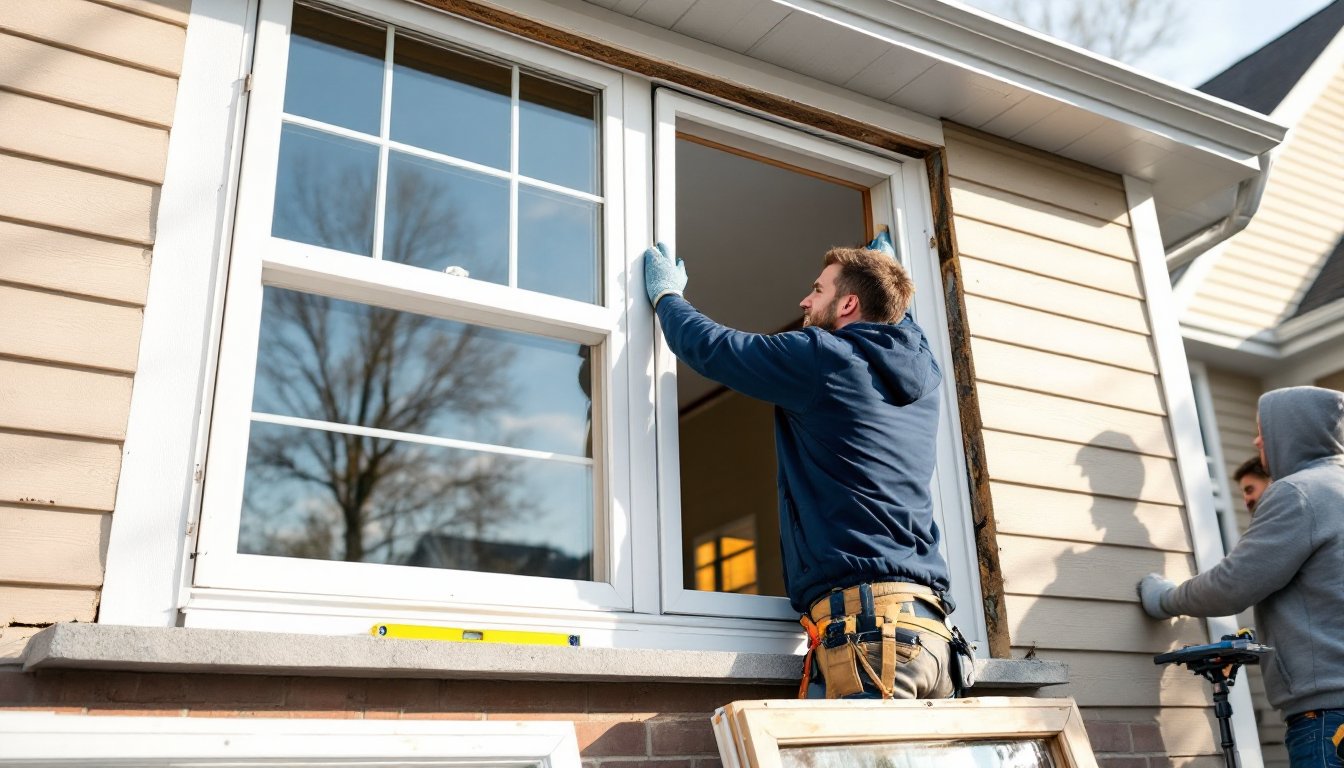
Most contractors charge by the window, not by the hour, and include basic tasks: removing the old window, setting the new unit in the existing rough opening, shimming and leveling, insulating gaps with low-expansion foam, and applying interior and exterior trim. If you’re replacing in brick or stucco, expect to pay more for masonry cutting and patching.
Full-frame installations, where the entire window frame, including the exterior nailing fin and interior jambs, is removed and replaced, cost 20% to 40% more than insert replacements. Full-frame is necessary when the existing frame is rotted, out of square, or if you’re upsizing the glass area. Insert replacements are faster and less invasive but reduce the glass size slightly since the new window sits inside the old frame.
Permit fees vary widely. Some jurisdictions don’t require permits for like-for-like window replacement: others mandate them for energy code compliance or structural changes. Budget $50 to $200 for permits if required. Your installer should know local rules, but it’s worth confirming with your building department.
Additional costs to watch for: disposal fees for old windows ($25 to $75 per load), caulking and weatherproofing upgrades, custom interior trim or sill extensions, and exterior painting or staining if you’re switching materials.
DIYers can save on labor, but Andersen replacement windows are heavy (especially triple-pane or large units) and require precise shimming to avoid operational issues. You’ll need a level, shims, a drill, a reciprocating saw for cutting old nails, and possibly a helper. Andersen provides installation instructions, and their Certified Contractor network offers training resources. If you’ve never installed a window, start with a small, non-critical unit, like a basement slider, before tackling front-facing or second-story windows.
Ways to Save on Andersen Window Replacement
Andersen windows aren’t the cheapest on the market, but a few strategies can trim costs without sacrificing quality.
- Order in bulk: Replacing all windows at once often nets a 10% to 15% discount from dealers or installers. Per-window labor costs also drop when crews can work efficiently on multiple openings.
- Choose insert replacements: If your existing frames are sound, insert windows save on labor and materials. You’ll lose about 1 to 2 inches of glass area, but the trade-off is speed and cost.
- Stick to standard sizes: Custom dimensions add 15% to 30% to the window price. Measure your rough openings and match Andersen’s stock sizes when possible.
- Limit upgrades: Base Low-E glass and white or tan frames are the least expensive. Every color change, grille pattern, or hardware upgrade adds cost. Prioritize performance features (like triple-pane in cold climates) over cosmetic ones.
- Shop multiple dealers: Andersen sells through independent dealers, and pricing can vary. Get quotes from at least three sources, including big-box stores like Home Depot or Lowe’s, which carry the 100 and 200 Series.
- Look for rebates and tax credits: The federal Energy Efficient Home Improvement Credit (25C) offers up to $600 total (not per window) for qualified energy-efficient windows installed through 2032. Check the Angi cost database or ImproveNet guides for current incentive programs in your area. Some utilities also offer rebates for high-performance windows.
- Time it right: Window demand spikes in spring and early summer. Scheduling installation in late fall or winter can sometimes yield better pricing and faster turnaround, though cold-weather installs require extra care with sealants and expansion.
Safety reminder: Window replacement involves working at height, handling glass, and potentially cutting old nails or caulk with power tools. Wear safety glasses, work gloves, and a dust mask when removing old units. Use a sturdy ladder or scaffolding for upper-story work, and have a second person on-site to help lift and position windows.
Are Andersen Windows Worth the Investment?
Andersen windows command a premium, but the brand backs it up with a 20-year limited warranty on glass and a 10-year warranty on non-glass components for most series. The A-Series and E-Series come with even longer coverage. That’s stronger than many competitors in the mid-range vinyl category.
Energy savings are real but vary by climate and existing window condition. Replacing single-pane windows with Andersen’s dual-pane Low-E units can cut heating and cooling costs by 15% to 25%, according to Department of Energy estimates. In a home spending $1,500 annually on HVAC, that’s $225 to $375 back per year, enough to recover window costs in 8 to 12 years. Triple-pane windows yield higher savings in cold climates but take longer to pay back due to their higher upfront cost.
Resale value is another consideration. Replacement windows typically return 70% to 80% of their cost at resale, per Remodeling Magazine’s Cost vs. Value report. Andersen’s brand recognition and curb appeal can push that figure higher, especially in markets where buyers prioritize energy efficiency and low maintenance.
Durability and maintenance are where Andersen shines. Vinyl-clad and Fibrex frames resist rot, won’t need painting, and handle extreme temperatures without warping. Wood interiors offer warmth and traditional aesthetics but require occasional touch-ups if exposed to moisture. The brand’s hardware, sash locks, lifts, and crank mechanisms, is robust and field-replaceable, which matters 10 or 15 years down the line.
For budget-conscious homeowners, Andersen’s 100 or 200 Series hit a sweet spot: better than builder-grade vinyl, more affordable than full wood-clad. If you’re renovating a period home, doing a high-end build, or live in a harsh climate, the 400 or A-Series justify the extra spend with longevity and customization.
Bottom line: Andersen replacement windows cost more upfront than off-brand vinyl, but they deliver measurable performance, proven durability, and solid warranty backing. If you’re staying in the home for 10+ years, the investment pencils out. If you’re flipping or plan to move soon, consider whether mid-tier alternatives might offer better ROI.