
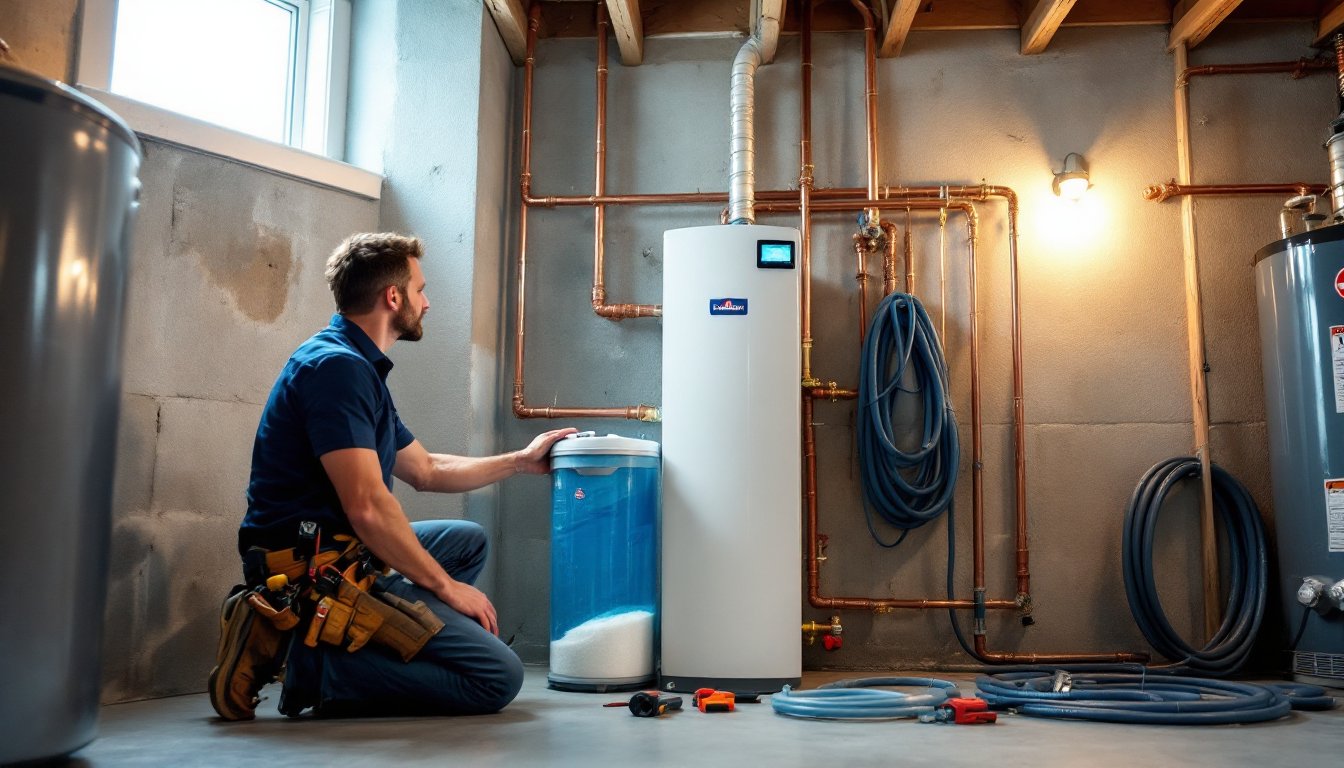
Hard water wreaks havoc on appliances, leaves soap scum on shower doors, and makes laundry feel stiff, issues that plague millions of homes across the country. Culligan, one of the oldest names in water treatment, offers solutions ranging from basic softeners to advanced whole-home systems. But what should a homeowner actually expect to pay in 2026?
Pricing isn’t as straightforward as picking a model off a shelf. Equipment costs, installation complexity, and whether you’re buying outright or renting all shift the final number. This guide breaks down real-world costs, hidden fees, and where you can actually save without sacrificing performance.
Table of Contents
ToggleKey Takeaways
- Culligan water softener costs typically range from $1,500 to $6,000 installed, with equipment prices between $800 and $5,000 depending on system capacity and features.
- Water hardness level, household size, and installation location are major cost factors—systems handling 50+ gpg and homes with poor plumbing conditions cost significantly more.
- Ongoing maintenance expenses including salt ($150–$400/year), water sewer usage ($50–$100/year), and optional service contracts ($100–$300/year) should be factored into long-term budget planning.
- Culligan rental programs ($35–$75/month) break even against purchase-and-install around 40 months, making ownership more cost-effective for long-term homeowners.
- Getting multiple dealer quotes, negotiating during off-peak seasons, and correctly sizing your system can reduce Culligan water softener costs by 20–30% without sacrificing performance.
- Premium brands cost $2,500–$7,000+, while budget alternatives start under $1,500, positioning Culligan in the mid-to-premium tier with superior local service support.
Average Cost of Culligan Water Softener Systems
Culligan doesn’t publish fixed pricing online, they operate through local dealers who assess your household’s water hardness, flow rate, and installation site before quoting. That said, typical system costs land between $1,500 and $6,000 installed, depending on capacity and features.
Upfront Equipment and Installation Costs
The base unit price varies by model:
- Entry-level single-tank systems: $800–$1,500 (equipment only)
- Mid-range dual-tank or demand-initiated regeneration models: $1,800–$3,500
- High-efficiency systems with advanced metering and WiFi controls: $3,000–$5,000
Installation adds another $500 to $1,000 in most cases. This covers plumbing tie-ins, drain line routing, electrical hookups (if required), and calibration. If your water main sits in a tight crawlspace or you’re installing a loop for future bypass, labor costs climb.
Installation complexity matters. Homes with copper or PEX lines are easier to work with than galvanized steel. If the softener sits far from the main shutoff or needs a dedicated 120V outlet, budget for extra electrical work. Some municipalities require a backflow prevention device or permit for new softener installations, check local codes before scheduling.
Culligan dealers typically include a basic water test in the quote. If you’re on well water with high iron or sulfur content, expect add-on filtration components that push the total closer to the upper range.
Factors That Influence Your Total Price
Several variables shift the final invoice beyond the sticker price of the unit itself.
Water hardness level: Systems sized for 20 grains per gallon (gpg) cost less than those handling 50+ gpg. Your local dealer tests a sample and sizes the resin tank accordingly. Higher hardness means larger tanks or more frequent regeneration cycles.
Household size and daily water usage: A four-person household averaging 300 gallons per day needs more capacity than a two-person home using 150 gallons. Undersized systems regenerate too often, wasting salt and water. Oversized units cost more upfront without added benefit.
Installation location: Basement installs are cheapest. Garage or outdoor installations may require weatherproof enclosures or freeze protection. Tight spaces that demand rerouting existing plumbing add labor hours.
Existing plumbing condition: Older homes with corroded pipes or non-standard fittings increase installation time. If your main line lacks a shutoff near the water heater, the plumber may need to install one.
Add-on features: WiFi monitoring, salt-level sensors, and high-flow bypass valves all bump the price. Demand-initiated regeneration (which only runs when the resin bed is actually depleted) costs more than timer-based systems but saves on salt and water long-term.
Geography plays a role, too. Urban markets with higher labor rates skew costs upward, while rural areas may add travel fees for dealer service calls. National platforms like HomeAdvisor show regional variance exceeding 20% between metro areas and smaller towns.
Ongoing Maintenance and Operating Expenses
Owning a Culligan softener means recurring costs beyond the initial install. Plan for these annual expenses:
Salt: Depending on hardness and usage, most homes go through two to four 40-pound bags per month. At $6–$8 per bag, that’s roughly $150–$400 per year. Solar salt crystals work fine for most systems: pellets dissolve cleaner but cost slightly more.
Water and sewer usage: Regeneration cycles flush brine through the resin and down the drain. Expect an extra 25 to 65 gallons per regeneration, depending on system size. If you’re on metered city water and sewer, that adds $50–$100 annually.
Electricity: Systems with electronic controls draw minimal power, typically under 10 kWh per year, or about $1–$2.
Service contracts: Culligan dealers often offer annual maintenance plans covering resin cleaning, valve inspection, and salt delivery. These run $100–$300 per year. Not mandatory, but helpful if you’d rather not DIY the upkeep.
Resin replacement: The ion-exchange resin eventually fouls, especially in well water with iron or chlorine. Figure on replacement every 10 to 15 years at a cost of $300–$600 including labor.
Most owners handle salt refills themselves. The brine tank has a visible fill line: top it off when the level drops below halfway. If you’re physically unable to lift 40-pound bags, salt delivery services are available through many Culligan dealers for an added fee.
Culligan Rental vs. Purchase: Cost Comparison
Culligan offers rental programs in many markets, positioning them as a lower-commitment alternative to buying. Here’s how the numbers shake out.
Rental pricing: Monthly fees range from $35 to $75, depending on system capacity and included services. Most rental agreements bundle equipment, installation, maintenance, and salt delivery into a single payment. Some contracts lock you in for a minimum term (often 12 to 24 months): others go month-to-month after an initial period.
Purchase vs. rental break-even: At $50/month, you’ll hit $1,800 over three years and $3,000 over five years. If you’re planning to stay in the home long-term, purchasing outright typically costs less. Renters avoid upfront cash outlay and shift maintenance responsibility to the dealer, which appeals to homeowners who prefer predictable monthly expenses.
Ownership perks: Bought systems have no recurring rental fees. You can service them yourself or hire any qualified plumber, you’re not locked into Culligan’s service rates. Resale value is modest (used softeners rarely fetch more than 30% of original cost), but the unit stays with the home if you sell.
Rental advantages: No large upfront cost, no repair bills, and the ability to upgrade or cancel if your needs change. If you move frequently or aren’t sure softened water is worth it, renting reduces risk.
Run your own break-even calculation. If the rental rate is $60/month and a comparable purchase-and-install runs $2,400, you break even at 40 months. Beyond that, renting costs more. Accurate cost planning is easier using tools from sites like Angi, which aggregate real pricing data from recent projects.
How Culligan Prices Compare to Other Water Softener Brands
Culligan occupies the mid-to-premium tier. It’s not the cheapest option, but it’s also not the most expensive. Here’s a snapshot:
- Big-box brands (Whirlpool, GE, Morton): $400–$1,200 for equipment, DIY-friendly installation. Total installed cost (if you hire a plumber) often lands under $1,500.
- Culligan dealer-installed systems: $1,500–$6,000 installed, as covered earlier.
- Premium brands (Kinetico, Rainsoft, Hague): $2,500–$7,000+ installed. Often twin-tank, non-electric, or include reverse osmosis bundles.
Culligan’s advantage is the dealer network. A local technician handles sizing, installation, and service calls, helpful if you’re not confident plumbing a water softener yourself. Big-box units save money but require DIY skills or separate plumber fees.
Warranty coverage varies. Culligan typically offers 10-year warranties on tanks and 1 to 5 years on valves and electronics, depending on the model. Budget brands may provide similar parts coverage but lack local service. Premium brands often extend warranties to 15 years or lifetime on certain components.
For cost-conscious DIYers comfortable sweating copper or pushing SharkBite fittings, a box-store softener and a weekend install can cut total cost in half. Homeowners who value turnkey service and don’t want to troubleshoot salt bridges or resin fouling lean toward Culligan or similar dealer-installed options.
Ways to Save on Your Culligan Water Softener Investment
Culligan systems aren’t cheap, but you can trim costs without compromising performance.
Get multiple dealer quotes: Culligan operates through independent franchises. Pricing and service offerings vary between dealers even in the same metro area. Request quotes from at least two local dealers and compare equipment models, installation scope, and warranty terms.
Negotiate during off-peak seasons: Water treatment dealers see higher demand in spring and summer. Late fall or winter quotes sometimes come with discounts or waived installation fees.
Ask about older or refurbished models: Some dealers offer certified refurbished units at 20–30% off new pricing. These carry shorter warranties but function identically.
Size the system correctly: Oversizing wastes money. Insist on a water test and actual usage calculation. A household of three doesn’t need a system rated for six.
DIY the prep work: If you can run the drain line, install the bypass loop, or clear the installation area, negotiate a reduction in labor charges. Most dealers are happy to skip tasks you can handle safely.
Bundle with other services: If you’re also considering a reverse osmosis system, whole-house filter, or drinking water faucet, bundling can lower per-unit pricing.
Skip unnecessary add-ons: WiFi monitoring and smartphone alerts are nice, but not essential. Basic metered systems perform just as well for softening water.
Platforms like ImproveNet compile project cost data and contractor reviews, helping you benchmark local quotes against regional norms. If a dealer’s estimate runs significantly higher than comparable projects, ask for an itemized breakdown.
Finally, consider the long-term payoff. A properly sized softener extends appliance life, reduces detergent use, and cuts water heating costs by preventing scale buildup in the water heater. Those savings, though gradual, offset a portion of the initial investment over time.