
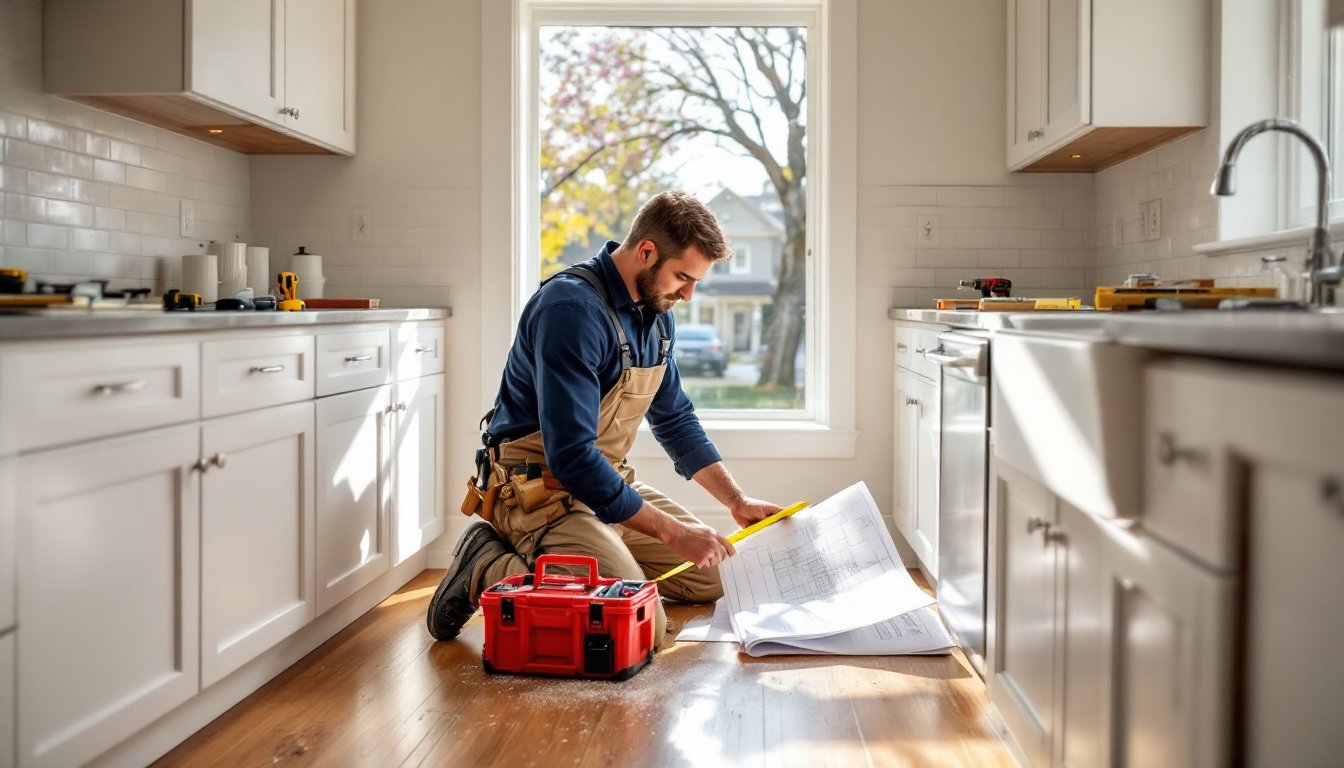
Cleveland’s housing market is pushing homeowners toward renovation instead of relocation. With home prices climbing and inventory tight, remodeling offers a way to get the space you need without the headache of moving. Whether you’re updating a century-old Shaker Square Colonial or finishing a basement in Old Brooklyn, Cleveland’s mix of architectural styles and climate demands careful planning. This guide walks through the most common projects, budgeting realities, permit requirements, and how to decide between DIY and hiring out, all tailored to Northeast Ohio’s specific conditions.
Table of Contents
ToggleKey Takeaways
- Cleveland home remodeling is more cost-effective than buying in a rising market, with home prices up 8-12% annually, making renovation a smart alternative to relocation.
- Kitchen and bathroom renovations deliver the highest return on investment, with mid-range kitchen remodels running $25,000-$45,000 and bathroom updates starting at $8,000-$12,000.
- Basement finishing and attic conversions require specialized attention to moisture control, insulation (R-49 to R-60), egress windows, and structural reinforcement—not DIY projects without professional guidance.
- Cleveland’s permit requirements and code inspections apply to structural, electrical, plumbing, and HVAC work; historic district properties need additional Landmarks Commission approval adding 4-6 weeks.
- DIY candidates include painting, flooring, and tile work, while load-bearing walls, electrical panels, gas lines, and structural framing require licensed professionals to ensure safety and code compliance.
- Budget 15-20% contingency for hidden issues common in Cleveland’s older homes, plan for $350-500 dumpster rental, and expect labor costs of $75-150+ per hour depending on the trade.
Why Cleveland Homeowners Are Investing in Remodeling Projects
Cleveland’s remodeling boom isn’t just about aesthetics, it’s driven by practical economics. The median home price in Cuyahoga County has increased roughly 8-12% annually over the past three years, making it cheaper to renovate than to buy up. Many homeowners are sitting on properties with good bones but outdated systems, think knob-and-tube wiring, single-pane windows, and original 1950s kitchens.
Energy efficiency is another major driver. Cleveland’s cold winters mean heating costs matter. Upgrading to insulated windows, adding R-49 attic insulation, or replacing a 20-year-old furnace can cut utility bills by 20-30%. These aren’t cosmetic upgrades, they’re infrastructure investments that pay back over time.
There’s also the aging-in-place factor. Homeowners in their 50s and 60s are adding first-floor primary suites, zero-threshold showers, and wider doorways to avoid future moves. Cleveland’s older housing stock, much of it two-story, wasn’t built with accessibility in mind, so these renovations require structural modifications, not just new finishes.
Finally, remote work has changed how people use their homes. Basements and attics are being converted into home offices, and garages are getting heated and finished for workshop space. The pandemic shifted priorities from curb appeal to functional interior space.
Most Popular Home Remodeling Projects in Cleveland
Kitchen and Bathroom Renovations
Kitchens and bathrooms top the list because they’re high-impact spaces with the best return on investment. A mid-range kitchen remodel in Cleveland, new cabinets, quartz counters, tile backsplash, and updated appliances, typically runs $25,000 to $45,000. That includes labor, which is often 35-40% of the total.
Cabinet choice drives cost. Stock cabinets from a big-box store start around $100-150 per linear foot installed, while semi-custom can hit $250-400. If your layout works and the cabinets are structurally sound, refacing or painting existing boxes saves thousands. Just make sure the cabinet boxes are plywood or solid wood, particleboard doesn’t hold up to new hardware or hinges.
Bathroom remodels vary wildly. A cosmetic refresh, new vanity, toilet, tile surround, and fixtures, might cost $8,000 to $12,000 for a standard 5×8 bathroom. Gut jobs that involve moving plumbing, upgrading subfloors, or adding radiant heat can double that. Cleveland’s older homes often have cast-iron drain lines and galvanized supply pipes, which may need replacement during a remodel. Budget for surprises when you open walls.
Waterproofing is critical. Use a bonded membrane or foam backer board behind tile, not just green drywall. Cleveland’s humidity swings, from winter furnace dryness to summer moisture, demand materials that handle movement without cracking grout or allowing mold.
Kitchen and bathroom contractors in the Cleveland area typically book 4-8 weeks out during peak season (April through October), so plan ahead if you want the work done before the holidays.
Basement Finishing and Attic Conversions
Cleveland basements are often damp, so moisture control comes first. Install a sump pump if you don’t have one, and consider an interior French drain system if water infiltration is chronic. Seal foundation walls with hydraulic cement or a waterproofing membrane before framing. Don’t skip this, finishing over a damp basement just traps moisture and grows mold.
Framing basement walls typically uses 2×4 studs on 16-inch centers with pressure-treated bottom plates to resist moisture. Leave a small gap between the framing and the foundation wall for air circulation. Use rigid foam insulation (R-10 to R-15) against concrete, then add fiberglass batts between studs if desired. Code in most Ohio jurisdictions requires R-15 wall insulation in conditioned basements.
Ceiling height matters. Ohio Residential Code requires a minimum of 7 feet in habitable spaces. If your basement has ductwork, pipes, or beams eating into headroom, you may need to box them in or reroute, both add cost. A drop ceiling gives easy access to utilities but feels lower: drywall looks cleaner but complicates future repairs.
Attic conversions are trickier. Most Cleveland homes have rafters sized for roof load, not floor load. You’ll likely need a structural engineer to spec floor joists (often 2x10s or engineered I-joists) and possibly collar ties or rafter reinforcement. This isn’t a DIY project, it’s a permit-required job that needs inspections.
Insulation is non-negotiable. Attics need R-49 to R-60 in the ceiling plane (or roof plane if you’re creating a cathedral ceiling). Use spray foam between rafters if you’re conditioning the attic space, or blown-in cellulose on the attic floor if you’re keeping it vented. Don’t mix strategies, you’ll trap moisture and rot the roof deck.
Egress is another code requirement. A finished attic used as a bedroom needs a window with a minimum 5.7 square feet of opening, a sill height no more than 44 inches off the floor, and dimensions at least 24 inches tall by 20 inches wide. Many older homes don’t have this, so you’ll need to add a dormer or enlarge an existing window, both require framing, roofing, and exterior work.
Budgeting for Your Cleveland Remodeling Project
Start by getting a rough estimate from a cost guide tool or a local contractor, then add 15-20% for contingency. Cleveland’s older homes hide problems, rotted sills, outdated wiring, asbestos floor tile, that only show up once demo starts.
Material costs fluctuate. Lumber prices spiked in 2021, dropped in 2022, and remain volatile. Drywall, which was under $10 per sheet in 2019, now hovers around $12-15 for 1/2-inch 4×8 sheets. Copper pipe has doubled since 2020. Lock in quotes for major materials early, and ask if your contractor can order in bulk to save.
Labor is the other big variable. A licensed electrician in Cleveland charges $75-125 per hour, plumbers run $90-150, and finish carpenters are $50-80. General contractors typically add a 15-20% markup on subcontractor labor and a 10-15% project management fee. If you’re acting as your own GC, you’ll save that percentage but take on scheduling, permits, and liability.
Financing options include home equity lines of credit (HELOCs), cash-out refinances, and personal loans. HELOCs offer flexibility, borrow as you need, and interest may be tax-deductible if the remodel improves the home’s value. Rates in 2026 are hovering around 7-9% depending on credit. Project planning guides can help you compare financing scenarios.
Don’t forget soft costs: permits, dumpster rental (around $350-500 for a 20-yard in Cleveland), temporary utilities if you’re living elsewhere, and meals out if your kitchen’s torn apart for six weeks. These add up to 5-10% of the budget.
Navigating Cleveland’s Permits and Regulations
Cleveland requires permits for most structural, electrical, plumbing, and HVAC work. The city uses the 2020 International Residential Code (IRC) and the 2020 National Electrical Code (NEC) as its base, with local amendments. If you’re in a suburb, Lakewood, Cleveland Heights, Parma, check with that municipality, as rules and fees vary.
Permit-required projects include:
- Adding or removing walls (especially load-bearing)
- Electrical work beyond replacing a fixture (new circuits, panels, outlets)
- Plumbing modifications (moving drains, adding fixtures)
- HVAC installation or ductwork changes
- Structural alterations (cutting joists, removing posts, adding beams)
- Finishing basements or attics as living space
- Roof replacement or structural repairs
- Decks and porches over 30 inches in height
Non-permitted work generally includes cosmetic updates like painting, flooring over existing subfloor, cabinet installation (if no plumbing/electrical changes), and trim work.
To pull a permit in Cleveland, submit plans to the Department of Building and Housing. Simple projects may only need a sketch: complex remodels require stamped drawings from a licensed architect or engineer. Permit fees are typically $50-200 for minor work and scale up based on project value.
Inspections happen at key milestones: rough framing, rough electrical/plumbing/HVAC, insulation, and final. The inspector checks code compliance, proper joist spacing, GFCI outlets in bathrooms and kitchens, proper venting for drains, and egress windows in bedrooms. Don’t cover up work before inspection, or you’ll be ripping it open again.
If you’re in a historic district (Ohio City, Tremont, University Circle), you may need approval from the city’s Landmarks Commission before altering exteriors. This includes windows, siding, porches, and roof material. Plan for an extra 4-6 weeks in the approval process.
Choosing the Right Remodeling Approach for Your Home
The DIY-versus-hire decision hinges on three things: skill, time, and code complexity. If a project requires a permit, it’ll be inspected, meaning your work needs to meet code whether you do it or hire it out. Electrical and plumbing mistakes aren’t just ugly: they’re safety hazards and insurance liabilities.
Good DIY candidates:
- Painting, wallpaper, and trim installation
- Flooring (laminate, engineered hardwood, vinyl plank)
- Tile backsplashes and simple shower surrounds
- Cabinet refacing or painting
- Basic carpentry (shelving, wainscoting, door replacement)
- Demolition (with proper PPE: goggles, dust mask, gloves, ear protection)
Hire a pro for:
- Load-bearing wall removal (needs an engineer and a steel beam)
- Electrical panel upgrades or new circuits
- Gas line work (furnace, range, water heater)
- Structural framing (roof, floors, additions)
- Spray foam insulation (requires specialized equipment and safety gear)
- Finish plumbing in wet areas (bathrooms, kitchens)
Hybrid approach: Many Cleveland homeowners handle demo, painting, and finish work themselves, then hire licensed trades for rough-ins. This saves 20-30% compared to a full GC job but requires you to coordinate schedules, order materials, and keep the job moving. If you go this route, get certificates of insurance from every sub, your homeowner’s policy won’t cover their injuries.
Tool rental can bridge the gap. You don’t need to buy a tile saw, pneumatic nailer, or drywall lift for a one-time job, rent them for $30-70 per day from a local tool rental shop. A wet tile saw rents for around $50-60 per day and makes cleaner cuts than a handheld angle grinder.
Be realistic about timeline. A weekend warrior doing a bathroom remodel solo might take 6-8 weeks for what a crew does in 10 days. If you’re living in the house, that’s 6-8 weeks of inconvenience, no shower, makeshift kitchen, dust everywhere. Sometimes paying for speed is worth it.